With the accelerated construction of 5G base stations, industrial edge computing, and data centers, the performance of board-to-board connectors in high-speed signal transmission has become a focus of industry attention.
The main advantages of board-to-board connectors include:
· Support for high-density, high-speed transmission (10–25Gbps or even higher)
· Enables high-speed interfaces between multi-layer PCBs
· Offers more compact space adaptation capabilities
· Easier signal integrity control
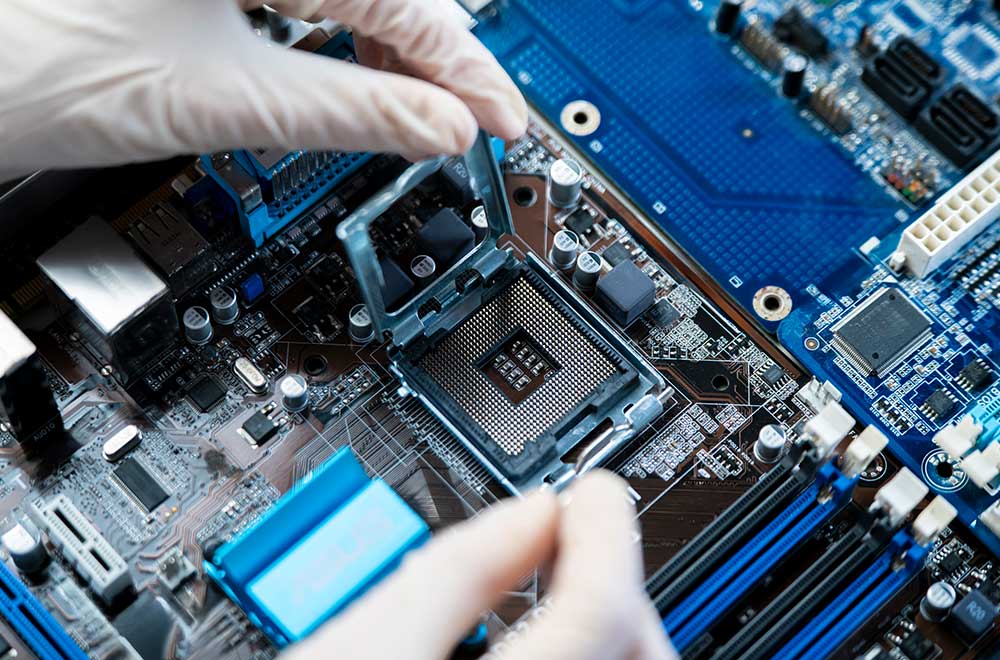
In 5G macro base stations, small base stations, server motherboards, and edge gateways, board-to-board connectors are responsible for high-speed interconnection between CPUs, FPGAs, and network modules, and are crucial for system performance.
Currently, customers are raising new requirements:
· Lower insertion loss
· Stronger crosstalk immunity
· Higher impedance control accuracy
· Enhanced vibration and temperature rise management capabilities
At the same time, high-speed signal transmission places demands on connector terminal plating technology, spacing, and dielectric materials.
Industry trends indicate that future board-to-board connectors will evolve towards: ultra-thin designs, support for high-speed differential pairs, and higher contact reliability.
With the rapid growth in demand for AI edge servers, the board-to-board connector market will continue to benefit from the new computing power cycle.